
Meeting People Where They Are

Craig Hargrow • Pastor
September 6, 2026

4 Minute Read

In John 4, Jesus meets a Samaritan woman at a well. The encounter crosses barriers of history, culture, religion, reputation, and gender. Others might have avoided the road, the conversation, or the person. Jesus did not.

This story gives us a practical picture of what it means to share the Gospel with truth and compassion: leave where we are comfortable, go where others may not go, see the person before addressing the problem, and begin with shared understanding.

We are saved to share, and that requires a willingness to meet people where they are.

The Need to Leave

Ministry rarely happens if we refuse to move beyond what is familiar. Jesus did not wait for the Samaritan woman to enter a space where everyone already agreed or behaved the same way. He went through Samaria and met her in the middle of her ordinary day.

Paul expressed this same missionary heart in 1 Corinthians 9:22: “I am made all things to all men, that I might by all means save some.” Paul was not changing the truth. He was willing to change his approach so that people could understand it.

Meeting people where they are may require us to leave our routines, preferences, assumptions, and fear. The Gospel remains the same, but faithful love is willing to take a step toward the person who needs to hear it.

Go Where Other People Will Not

Jesus entered a place many people would have avoided and spoke to someone many people would have ignored. He was not controlled by social barriers or public opinion.

There are people in every community who feel overlooked because of their background, choices, questions, or reputation. If the church only welcomes people who already know how to fit in, we miss the people Jesus intentionally sought.

Going where others will not does not always mean traveling far. It may mean starting a conversation with the person everyone avoids, listening without rushing to judge, or showing consistent kindness where others have withdrawn it.

See the Person Before Addressing the Problem

First Samuel 16:7 reminds us that people look at the outward appearance, but the Lord looks at the heart. Jesus knew the woman’s story, but He did not reduce her to it. He saw a person who needed living water.

People can tell when they are being treated as a problem instead of a person. Truth matters, but the way we carry truth also matters. Compassion does not ignore sin; it creates a path for an honest encounter with the Savior.

Before we speak, we should ask God for eyes that see beyond labels. Every person has a story. Every person bears God-given dignity. Every person is someone Christ is able to reach.

Start With Shared Understanding

Jesus began with water—the ordinary reason both He and the woman were at the well. From that shared point, He led the conversation toward living water and true worship.

We do not have to force a spiritual conversation. We can listen for a natural place to begin: family, work, grief, hope, purpose, or a need for prayer. Shared understanding builds a bridge. From there, we can speak about the hope we have in Christ in language the other person can understand.

The goal is not to display how much we know. The goal is to help someone see Jesus clearly.

Life Application

Ask God to show you one barrier you need to cross this week. It may be discomfort, an old assumption, a strained relationship, or simply a busy schedule. Choose one person and make room for a genuine conversation. Listen first. See the person. Then share truth with humility, compassion, and love.

Reflection Questions

- Where has comfort kept me from going where God may be sending me?

- Do I see people first, or do I see their problems and labels first?

- What common ground could help me begin an honest conversation about faith?

- Who needs me to meet them where they are this week?

Prayer

Father, thank You for meeting me where I was. Lead me beyond comfort and fear. Give me eyes to see people as You see them, wisdom to listen, and courage to share the Gospel with truth, compassion, and love. Amen.


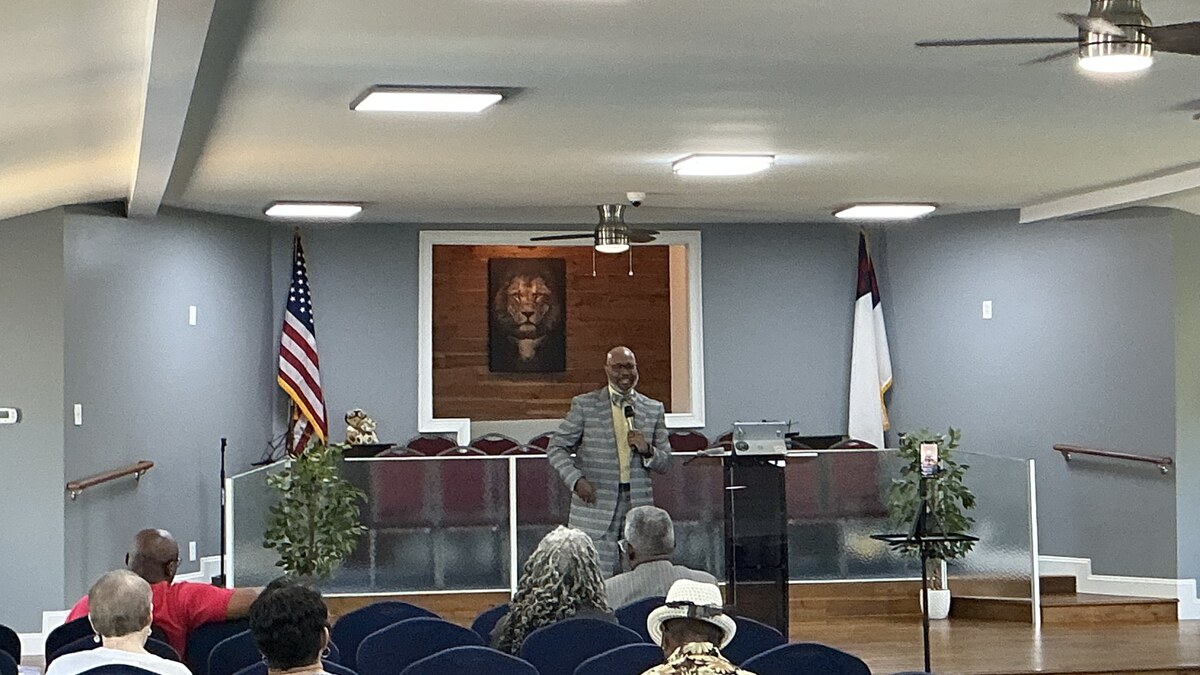
Watch or listen to the sermon: Meeting People Where They are -
Up Next
From this Author: Craig Hargrow
September 13, 2026 • 5 Minute Read
In Hot Pursuit: What Zacchaeus Teaches Us About Sharing the Gospel
Jesus had only days left before the crucifixion. He was on His way to Jerusalem, yet He stopped in Jericho to pursue one man everyone else had written off. The story of Zacchaeus is not only a familiar Bible story. It is a blueprint for how followers of Christ should engage the world around them. A Title Without a Community Luke identifies Zacchaeus as a chief tax collector who was rich. Tax collectors were despised because they worked for Rome and often profited by taking more than people owed. Zacchaeus had money, position, and influence, but he had no respect or acceptance from the people around him. He had a title but no community. He had wealth but no belonging. When he heard Jesus was passing through, Zacchaeus wanted to see Him. Because he was short and the crowd was thick, he ran ahead and climbed a sycamore tree. It is worth noticing that his sin was not the immediate thing keeping him from seeing Jesus. The crowd was in the way. Sometimes the people who should help someone encounter Christ become part of the obstacle through judgment, exclusion, or an unwillingness to make room. Jesus Called Him by Name When Jesus reached the tree, He looked up and called Zacchaeus by name. Scripture does not record a previous meeting between them, yet Jesus knew who he was, where he was, and what he needed. In the middle of a loud and crowded street, Jesus saw one man who felt completely alone. That is pursuit. Jesus was not moving casually through Jericho. He was on a mission. The crowd had labeled Zacchaeus and rejected him, but Jesus stopped and said, “Zacchaeus, make haste, and come down; for to day I must abide at thy house” (Luke 19:5). The word must reveals intention. Jesus did not ask the crowd for permission to extend grace. Mute the Murmuring The crowd did not celebrate when Jesus chose to visit the home of a known sinner. They murmured. They were more concerned about who was receiving grace than they were grateful that grace was being extended. Jesus kept His focus on the assignment. Galatians 1:10 reminds us that a servant of Christ cannot live for the approval of people. If we stop to answer every critic, we will never finish what God has called us to do. There will always be someone who questions why we are reaching out to that person, forgiving that offense, or giving someone another opportunity. The work does not stop for the murmuring. Grace That Produces Change Inside the house, Zacchaeus stood and promised to give half of his possessions to the poor and to repay four times what he had taken dishonestly. No one handed him a checklist. He encountered Jesus, and that encounter changed him from the inside out. Grace is not designed only to make people feel better. It makes us uncomfortable with staying the same. Genuine grace produces repentance, generosity, restitution, and a new direction. Jesus declared that salvation had come to the house and affirmed that Zacchaeus also was a son of Abraham. The crowd saw only a sinner and a thief. Jesus saw someone who was not beyond the reach of God’s covenant mercy. Seek and Save the Lost Luke 19:10 gives the mission clearly: “For the Son of man is come to seek and to save that which was lost.” Jesus did not qualify who deserved to be found. Lost is lost. People are hiding in plain sight. Some hide behind reputations, fake smiles, success, addiction, anger, or shame. Some are surrounded by people and still feel completely alone. Jesus pursues the overlooked, rejected, and outcast, and everyone who follows Him is called to carry that same heart. Life Application Identify one person who has been labeled, overlooked, or written off by others. Make one deliberate move toward that person this week. Offer a kind word, an invitation, a listening ear, or simply the dignity of calling them by name. Be the person who helps clear the way to Jesus instead of becoming part of the press. Reflection Questions - Is there someone I have quietly written off because of a reputation or past behavior? - Am I helping people encounter Jesus, or am I part of the press standing in the way? - When God extends grace to someone I would not have chosen, do I respond with celebration or criticism? - Am I pursuing the people Jesus would pursue, or only the people who already seem receptive? Prayer Lord Jesus, thank You for seeking me when I was lost. Give me eyes to see the people others overlook and courage to move toward them with truth and grace. Keep me from becoming part of the press, and make my life a clear path that helps others see You. Amen. Watch or listen the sermon: In Hot Pursuit
September 6, 2026 • 4 Minute Read
Meeting People Where They Are
In John 4, Jesus meets a Samaritan woman at a well. The encounter crosses barriers of history, culture, religion, reputation, and gender. Others might have avoided the road, the conversation, or the person. Jesus did not. This story gives us a practical picture of what it means to share the Gospel with truth and compassion: leave where we are comfortable, go where others may not go, see the person before addressing the problem, and begin with shared understanding. We are saved to share, and that requires a willingness to meet people where they are. The Need to Leave Ministry rarely happens if we refuse to move beyond what is familiar. Jesus did not wait for the Samaritan woman to enter a space where everyone already agreed or behaved the same way. He went through Samaria and met her in the middle of her ordinary day. Paul expressed this same missionary heart in 1 Corinthians 9:22: “I am made all things to all men, that I might by all means save some.” Paul was not changing the truth. He was willing to change his approach so that people could understand it. Meeting people where they are may require us to leave our routines, preferences, assumptions, and fear. The Gospel remains the same, but faithful love is willing to take a step toward the person who needs to hear it. Go Where Other People Will Not Jesus entered a place many people would have avoided and spoke to someone many people would have ignored. He was not controlled by social barriers or public opinion. There are people in every community who feel overlooked because of their background, choices, questions, or reputation. If the church only welcomes people who already know how to fit in, we miss the people Jesus intentionally sought. Going where others will not does not always mean traveling far. It may mean starting a conversation with the person everyone avoids, listening without rushing to judge, or showing consistent kindness where others have withdrawn it. See the Person Before Addressing the Problem First Samuel 16:7 reminds us that people look at the outward appearance, but the Lord looks at the heart. Jesus knew the woman’s story, but He did not reduce her to it. He saw a person who needed living water. People can tell when they are being treated as a problem instead of a person. Truth matters, but the way we carry truth also matters. Compassion does not ignore sin; it creates a path for an honest encounter with the Savior. Before we speak, we should ask God for eyes that see beyond labels. Every person has a story. Every person bears God-given dignity. Every person is someone Christ is able to reach. Start With Shared Understanding Jesus began with water—the ordinary reason both He and the woman were at the well. From that shared point, He led the conversation toward living water and true worship. We do not have to force a spiritual conversation. We can listen for a natural place to begin: family, work, grief, hope, purpose, or a need for prayer. Shared understanding builds a bridge. From there, we can speak about the hope we have in Christ in language the other person can understand. The goal is not to display how much we know. The goal is to help someone see Jesus clearly. Life Application Ask God to show you one barrier you need to cross this week. It may be discomfort, an old assumption, a strained relationship, or simply a busy schedule. Choose one person and make room for a genuine conversation. Listen first. See the person. Then share truth with humility, compassion, and love. Reflection Questions - Where has comfort kept me from going where God may be sending me? - Do I see people first, or do I see their problems and labels first? - What common ground could help me begin an honest conversation about faith? - Who needs me to meet them where they are this week? Prayer Father, thank You for meeting me where I was. Lead me beyond comfort and fear. Give me eyes to see people as You see them, wisdom to listen, and courage to share the Gospel with truth, compassion, and love. Amen. Watch or listen to the sermon: Meeting People Where They are -

August 30, 2026 • 4 Minute Read
Come and See: The Power of a Simple Invitation
The Gospel of John was written so that we might believe that Jesus is the Christ, the Son of God, and that believing we might have life through His name. In John 1, that purpose begins to unfold through a series of personal encounters. Andrew, Peter, Philip, and Nathanael move from hearing about Jesus to meeting Him, following Him, and bringing someone else along. Their stories remind us that sharing our faith does not always begin with a perfect explanation. Sometimes it begins with a simple, honest invitation: Come and see. Jesus Invites Us Into Relationship When two of John the Baptist’s disciples heard him identify Jesus as the Lamb of God, they began to follow Jesus. Jesus turned and asked what they were seeking. When they asked where He was staying, He did not give them a lecture from a distance. He invited them to come and spend time with Him. Jesus welcomed relationship before instruction. He gave them room to see who He was for themselves. That matters for the way we share Christ. People are not projects to complete or arguments to win. They are people to love. Before we try to answer every question, we can create space for relationship, listen well, and help someone take one step closer to Jesus. Bring the People Closest to You After Andrew encountered Jesus, he went to find his brother Simon. He did not try to reproduce everything he had heard or explain every spiritual truth. Scripture says he brought Simon to Jesus. Sometimes evangelism needs to begin at home. Sharing with family and close friends can feel difficult because they know our history, our flaws, and our failures. Yet Andrew’s actions reveal his conviction: what he had found in Jesus was too important to keep to himself. We do not have to have every answer. Our task is to point people toward the One who does. Invitation Instead of Argument Philip later told Nathanael that they had found the One promised in Scripture: Jesus of Nazareth. Nathanael responded with skepticism. Philip could have argued with him or walked away offended. Instead, he answered with three simple words: Come and see. There is power in that kind of invitation. Philip did not pretend Nathanael had no doubts. He trusted that a genuine encounter with Jesus could address what his argument could not. People may hesitate because of disappointment, past church experiences, unanswered questions, or fear. We can meet that hesitation with patience and an open door. Invite them to worship. Invite them to watch a sermon. Invite them to read the Gospel of John with you. Invite them into a conversation where honesty is welcome. Keep It Simple Evangelism often starts small. It may be a message to someone who has been on your heart, an offer to pray, a ride to church, or a conversation over a meal. Faithfulness is not measured by how impressive the invitation sounds. It is measured by our willingness to make it. Psalm 34:8 says, “O taste and see that the Lord is good.” We can tell others what Christ has done in our lives, but we also invite them to experience His goodness personally. Life Application Think of one person you can invite this week to come and experience Jesus. Pray for that person by name, then make one clear and loving invitation. Do not pressure them, and do not be discouraged if the answer is not immediate. Your responsibility is to open the door. God is responsible for what happens in the heart. Reflection Questions - What do Andrew’s actions reveal about his conviction concerning Jesus? - What makes it difficult or easy to share your faith with the people closest to you? - Have you allowed fear of skepticism to keep you silent? - Who can you invite this week to come and experience Jesus? Prayer Lord Jesus, thank You for inviting me into relationship with You. Give me courage to share what I have found without pressure, pride, or fear. Put one person on my heart and help me offer a simple, sincere invitation that points them toward You. Amen. Watch or listen to the sermon: Come and See